
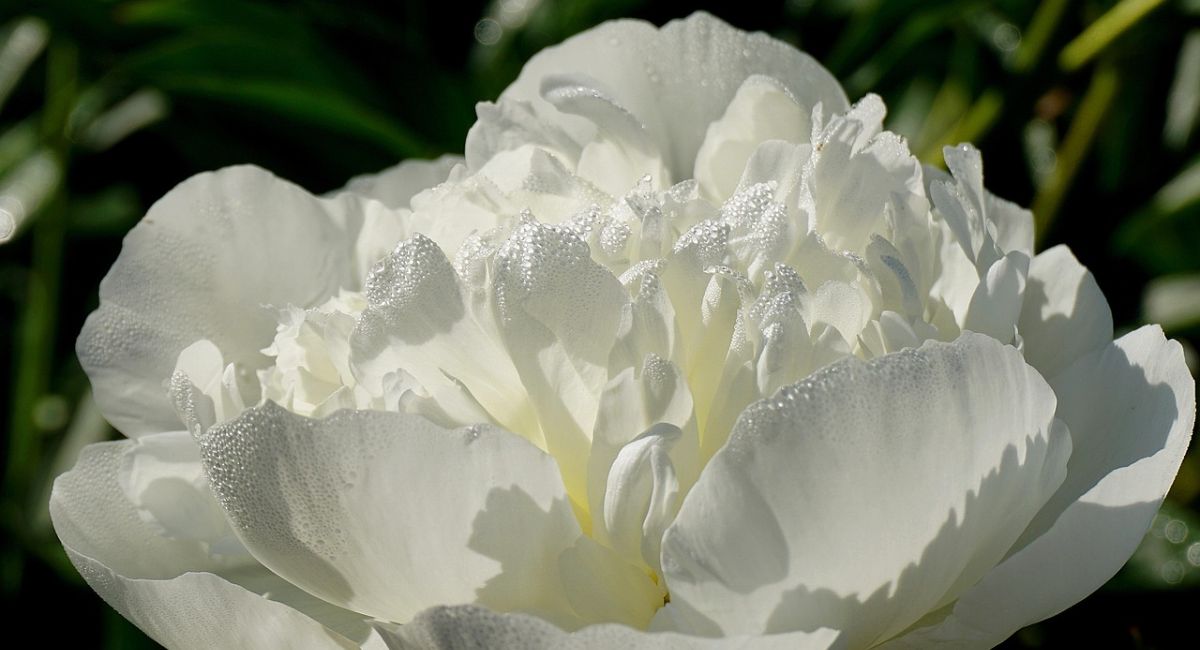
Peonies are among the most stunning and cherished perennial flowers for gardens in the USA. Peonies are perennial garden classics and are loved throughout the world for their extravagant, early summer blossoms. Their lush petals, delightful peony flower fragrance, and vibrant peony flower colours make them perfect for both landscaping and flower garden planning.
Whether grown as cut flowers or left to flourish in garden beds, peonies bring elegance, charm, and long-lasting beauty. With proper peony plant care and attention to soil, sunlight, and watering, these remarkable plants can thrive year after year, creating unforgettable displays that elevate any garden.
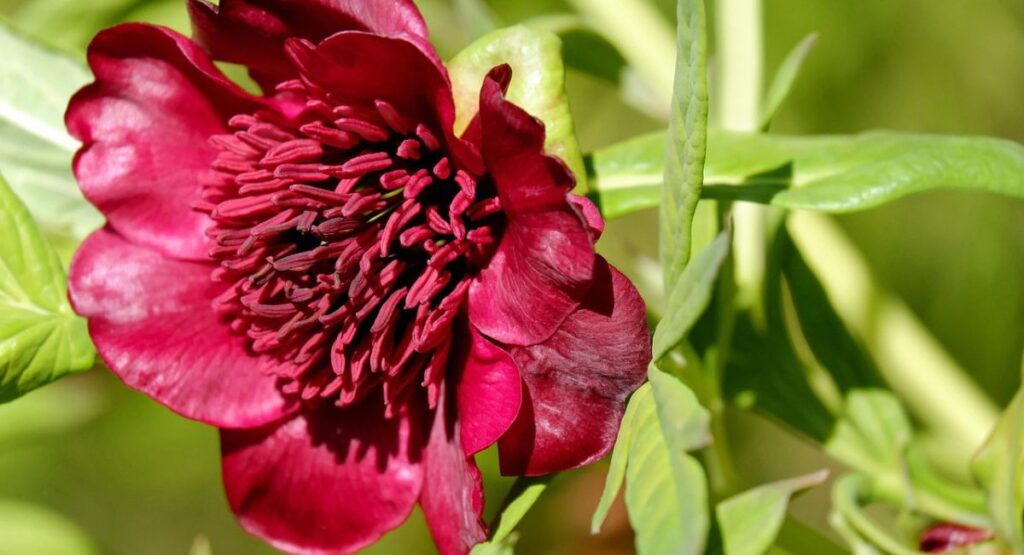
Peonies
Peonies are traditional classics of the perennial garden, which may last decades and are a predictable and reliable bloom. They are a popular one in the USA due to their rich multi-layered petals and peony flower fragrance. They are ideal in formal and informal gardens. Peonies, beloved the world over by their wasteful, early summer flowers, also form good cut-flower in the vases and bouquets. Peony support cages are used frequently by gardeners to support large blooms.
Besides beauty, peonies are also a low maintenance perennial flower. Planting in full sun is suggested to produce numerous flowers and the well-drained, fertile soil with a neutral or slightly alkaline pH is good enough to enable the roots to develop. Peonies can be used in landscaping by using peonies in landscapes in a border, hedge or foundation planting. They are resilient and thus suitable to novice and experienced gardeners who would want to improve their planning of flower gardens.
The origin and history of the Peonies.
The history of peonies is centuries-old. They were first developed in China and were being used as medicinal and ornamental plant. Peonies were later brought to the USA by European gardeners and made popular plantations in residential gardens. These are perennial plants which soon became very popular due to their longevity and spectacular flowers in the garden.
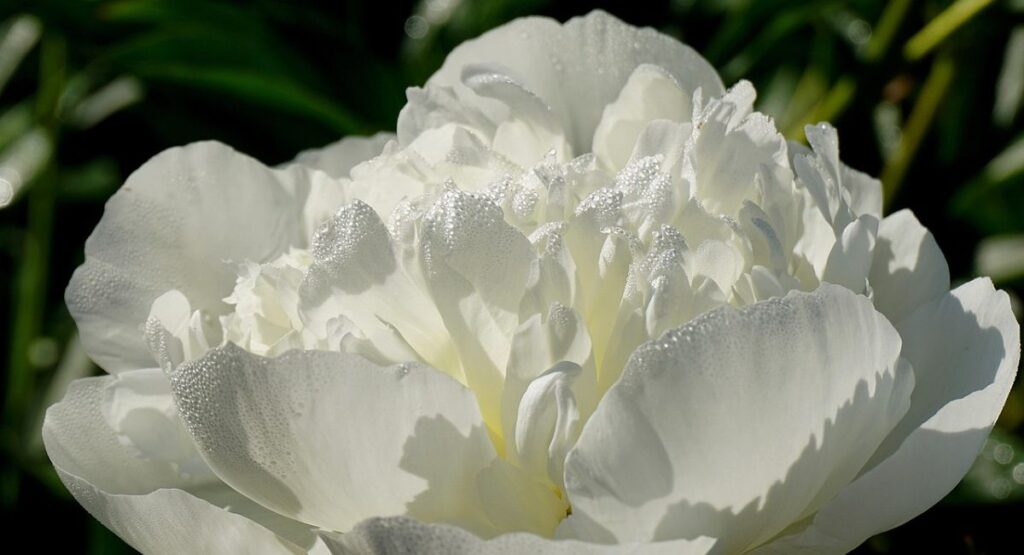
Peonies in the USA are winter hardy in 3-8, which means they grow well in cold winters and they will have spectacular flowers all through the early summer season. Peonies bloom at the beginning of summer, and make beautiful splashes in the
garden beds. Selective breeding over time, gave rise to the unique varieties of peony which had varied colors, forms and sizes, and are so applicable in the various forms of peony garden designs.
Peony Colour Meanings
Peony colors are very symbolic. White peonies are the symbols of innocence and beauty whereas pink peonies are the symbol of love and wealth. Red peonies express passion and honor and coral peonies express joy and friendship. Yellow peonies represent new starts and purple peonies can be interpreted as being royal and enigmatic. Gardeners usually select the colors depending on these connotations to match with other flowering perennials.
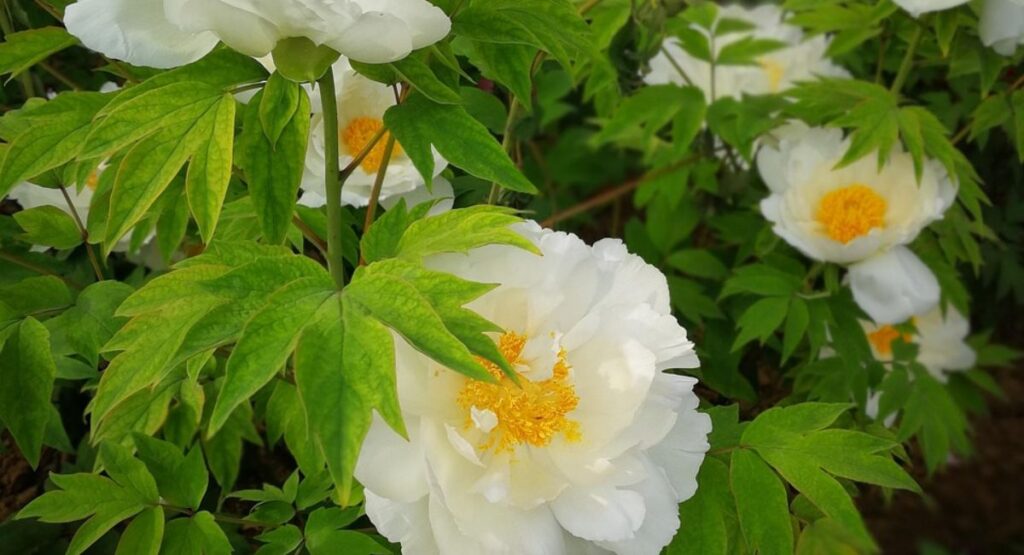
Along with symbolism, colors influence the aesthetics of the garden. The colouring of the peony flowers may be combined to produce a colourful garden palette. The gardeners who intend to plan flower garden must take into account the timing and height of blooms so that there is a constant show. The time of peony bloom depends on the variety, allowing one to mix early, mid and late bloomers and lengthen the color and fragrance range.
The 10 Best Peony varieties in your garden.
Proper selection of peony varieties is the determinant of the successful garden.
The following is a table of the best that can grow in American gardens:
| Variety Name | Color | Height | Bloom Time | Hardiness Zone |
|---|---|---|---|---|
| Sarah Bernhardt | Pink | 30-36″ | Mid | 3-8 |
| Coral Charm | Coral | 30-36″ | Mid-Late | 3-8 |
| Red Charm | Red | 30-36″ | Mid | 3-8 |
| Bowl of Cream | White/Blush | 28-32″ | Early-Mid | 3-8 |
| Do Tell | Salmon | 28-32″ | Mid | 3-8 |
| Duchess de Nemours | White | 30″ | Mid | 3-8 |
| Nick Shaylor | Cream | 30″ | Early | 3-8 |
| Etched Salmon | Salmon | 28″ | Mid | 3-8 |
| Soft Salmon Saucer | Salmon | 28-32″ | Mid-Late | 3-8 |
| Monsieur Jules Elie | Pink | 30″ | Mid | 3-8 |
These garden perennial plants offer diverse shapes and peony flower colours, ensuring a vibrant garden that blooms reliably every season.
Planting and Caring
It is necessary to plant the appropriate plants. Prepare a hole that is wide and loosen the soil at the bottom of the hole. The root should be so that peony roots should never be more than 1″ below soil level. Apply soil and water all over. Flowering requirements are important to achieve vigorous growth through full sun.
Once planted, emphasize on peony fertilization, mulching and watering. Peonies do well in well drained and fertile soil with neutral to slight alkalinity. The correct treatment is staking in the support cages of peonies and removal of the used flowers. Cut off flower heads and upper 6-8 inches of stalk to stimulate growth next year. Having peonies bloom regularly is ascertained by regular attention.
Peony, Dividing and Propagating.
Subculture of peonies enables gardeners to increase their collection. Best results are to divide peonies in fall or early spring. Take the plant very carefully, cut the root into parts and plant back. Less disturbance of roots will guarantee rapid recovery and vigorous growth.
Marketing is easy, yet a matter of time. Young divisions are likely to need a year to blossom. Peony propagation will simply make your garden last longer and will also multiply the quantity of the perennial flowers. Healthy and long-lived plants are ensured by proper planning in flower garden planning.
Technical Pests and Diseases of Peony.
Peony are tough and yet not resistant. The fungal disease is botrytis which attacks leaves, stems, buds particularly when there is moisture. Ants are attracted to the sugary layer on buds (ants attracted to sticky substance on buds) and they never harm plants. Infected tissues should be removed early to avoid the spread.
Additional peony pests and diseases are the powdery mildew and leaf spots. Most of the problems are prevented by proper spacing, sunlight and airflow. Peony sun and shade policies and lack of crowding reduce the chances of fungal infections. Peony that are well maintained do not have serious issues.
Fun Facts
Peony are fascinating. Certain types still exist in gardens more than 100 years. Some of the cultivars such as Sarah Bernhardt are famous in the world due to the smell and size. Peony have a lifespan of decades and have good blooms (peony bloom every year).
They make good cut flowers in arrangements, attract pollinators and make peony gardens attractive. Big flowers may require support cages to ensure that the flowers stand straight, providing a perfect image of a garden. The American gardeners love to combine colors and types to have a continuous fragrant array.
Why You Must have Peony in Your Garden.
The peonies are long-term value. They are long lived, low maintenance and offer magnificent flowers. Flowering perennials, particularly the peony, can be used with peony plant care to give color, smell and beauty to any area. They complement perennial plants found in the garden and also increase landscaping designs.
In addition to its aesthetics, peonies can also be used as a cut flower, hedge or foundation plant (best with perennial gardens, hedges, foundation plantings). They reward the gardeners with beauty every year. Planting the peony will give you a garden that is even more beautiful and fruitful with each season.
FAQs
What do peonies symbolize?
Peonies are a symbol of good luck and love, honor and a good marriage especially in most cultures, especially in China and Japan.
Are peonies expensive?
Yes, the peonies are very expensive flowers because they flower every season and they are very expensive in certain nations like United States and United Kingdom.
Why are peonies so special?
Peonies are distinct as they have gigantic bloom flowers, history and tradition in China as they are termed as a king of flower.
What is the Korean name of peony?
The symbolic meaning of the Korean name of peony is referred to as Peony, also referred to as moran in the South Korean traditional culture (moran).